
Navigating OHIP coverage for eye care can feel a little confusing, especially with recent updates. Your family’s vision health is important to us, and we understand that knowing what’s covered and what you’ll have to pay helps you plan.
Your eligibility for an OHIP-covered eye exam in Ontario depends on your age and specific health factors. This means that coverage can be different for each member of your family. Let’s look at what this means for you.
What OHIP Covers for Children and Youth
For anyone 19 years old or younger, OHIP provides coverage for essential eye care. This helps support your child’s vision as they learn and grow. Regular children’s eye exams can catch any changes early, which is crucial for healthy visual development from a young age.
Annual Eye Exams
OHIP covers 1 major eye exam every 12 months for children and teens. This allows your eye doctor to monitor their vision and eye health each year. Consistent care is a key part of their development.
Follow-Up Visits
If your child has a specific eye concern, such as an infection, injury, or a sudden change in vision, OHIP also covers necessary minor follow-up assessments. This helps address immediate concerns without extra worry. Your eye doctor can determine what follow-up is needed.
Eye Exam Coverage for Adults Ages 20 to 64
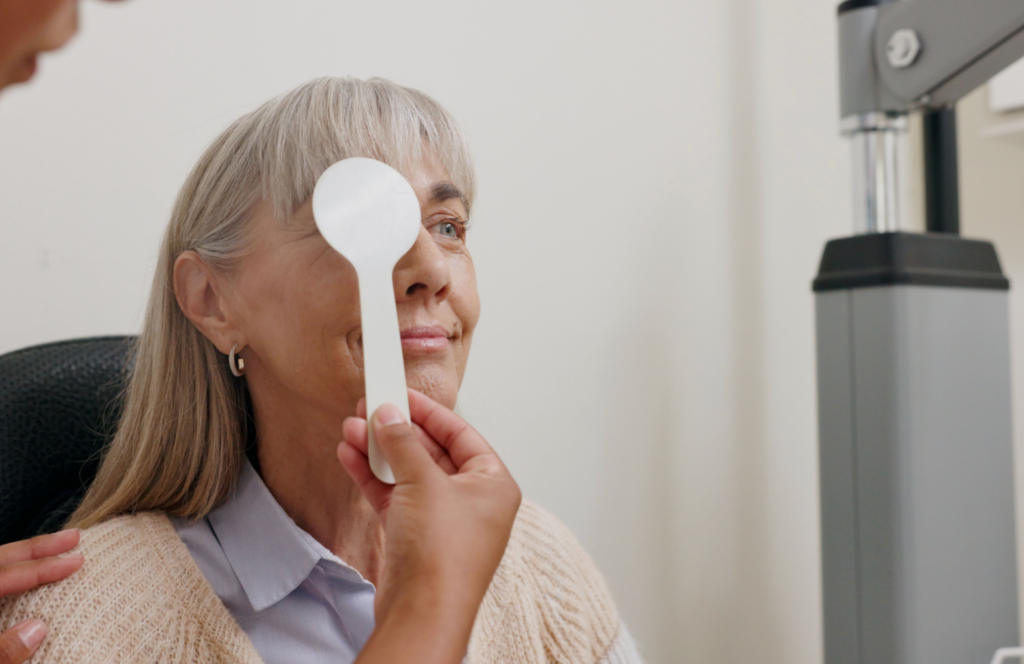
Routine adult eye exams are not covered by OHIP for most adults in this age group. But coverage is available if you have an eligible medical condition that affects your eye health. This helps you manage your health more effectively.
Eligible Medical Conditions
You may be eligible for 1 major eye exam every 12 months, plus up to 2 follow-up assessments, if you have certain diagnosed health or eye conditions. These can include:
- Diabetes
- Glaucoma
- Visually significant cataracts
- Retinal disease
- Corneal disease
- Optic pathway disease
- Uveitis
- Cranial nerve palsy
- Use of medications such as hydroxychloroquine, chloroquine, ethambutol, or tamoxifen (for ocular drug toxicity screening)
Your optometrist can help determine whether your condition qualifies for OHIP-covered exams.
OHIP Rules for Seniors Age 65 & Over
Once you turn 65, OHIP provides coverage for regular senior eye exams. How often you are covered depends on your overall eye health. This is a more tailored approach to care for your specific needs.
Routine Eye Care
If your eyes are healthy and you do not have an eligible medical condition, OHIP covers 1 major eye exam for you every 18 months. This schedule helps monitor your vision for age-related changes.
Eligible Medical Conditions
If you have a condition such as age-related macular degeneration, glaucoma, diabetes, retinal disease, corneal disease, optic pathway disease, uveitis, cranial nerve palsy, or are taking certain medications like hydroxychloroquine or tamoxifen, OHIP covers 1 major eye exam every 12 months, along with up to 2 follow-up assessments.
What OHIP Does Not Cover
While OHIP helps with eye exams for eligible age groups and medical conditions, it does not cover everything related to your eye care. Services such as contact lens fittings, diagnostic testing (like OCT or retinal imaging), dry eye assessments and treatments, foreign body removal, myopia management, and the cost of glasses or contact lenses are typically not insured. Your optometrist can review any additional fees with you before your appointment, so there are no surprises.
OHIP may cover eye emergencies when they are assessed by a family doctor, urgent care clinic, or hospital emergency department. However, emergency visits are not always insured when they are provided by an optometrist.
Benefits and Other Payment Options
If your eye exam is not covered by OHIP, you have other options. Many people use their private health insurance or workplace benefits.
Your Private Health Insurance
Most extended health plans offer some coverage for vision care, including eye exams, glasses, and contact lenses. Your eye doctor can provide a receipt for you to submit to your insurance provider, and some clinics bill directly to your insurance provider so you don’t even have a bill.
Your Eye Exam and Overall Health
A comprehensive eye exam is a key part of your healthcare. It’s more than just a vision test, it’s a window into your general health. Your eyes can show early signs of other health conditions. During an exam, your eye doctor can spot signs of underlying conditions that may not have other symptoms yet. These can include:
- High blood pressure
- Diabetes
- High cholesterol
Scheduling regular appointments with your eye doctor helps protect your sight and your family’s overall wellness. It’s an essential step in your preventative health routine.
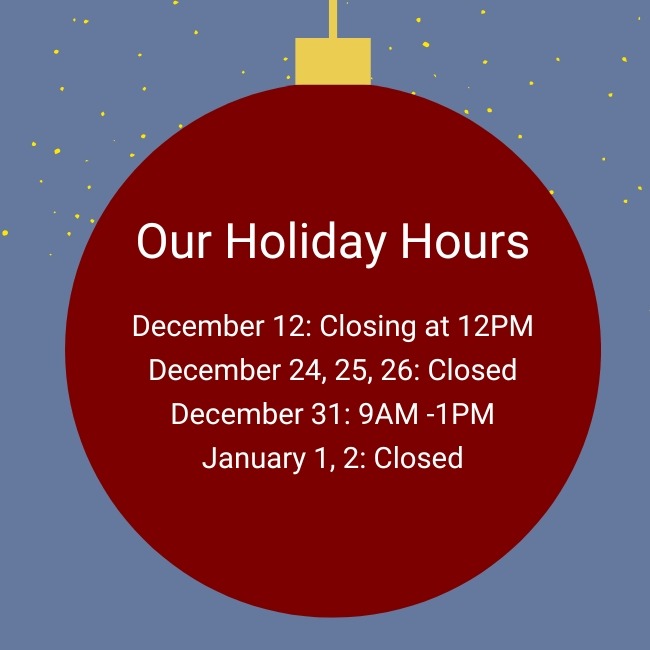
As the end of the year approaches, it’s a great time to check your workplace benefits or health spending account. Many insurance plans reset on January 1, and unused funds often do not roll over. Booking your family’s eye exams at Headwaters Optometry is a simple way to use those benefits before you lose them. We’re here to help you and your family with your vision care needs.