


Key Takeaways
- Watery eyes can be a sign of dry eye.
- Cold air and allergens can make your eyes overproduce tears.
- A warm washcloth can provide natural comfort for irritated eyelids.
- Preservative-free eye drops add gentle moisture without harsh chemicals.
- An eye doctor in Orangeville can help evaluate your symptoms and recommend personalized relief.
What Causes Watery Eyes?
Maybe you take one step outside into the chilly air, and your eyes immediately begin to water. Or maybe you have to constantly blink, trying to see through the blur as your eyes water. At Headwaters Optometry, we know how frustrating it can be when your eyes constantly water for no obvious reason, and you might be wondering what is going on and how you can find relief.
You can often begin managing watery eyes at home, but if symptoms persist, an eye exam can help identify underlying causes such as dry eye, allergies, eyelid changes, or tear drainage issues.
Reasons for Watery Eyes
Environmental Factors and Allergies
The world around you directly affects how your eyes feel every single day. For example, cold wind or dry outdoor air can disrupt your tear film on the surface of your eyes. That disruption can cause your body to produce extra tears.
Allergies are another common reason for watery eyes. If you’re allergic to something in your home, like pet dander, dust mites, or strong scents, it can cause your eyes to produce more tears to wash away these tiny particles.
Blocked Tear Ducts and Age Factors
Your tears normally drain through tiny openings located in the inner corners of your eyes. Tear drainage problems become more common with age and can sometimes cause tears to overflow onto the eyelids.
Drainage issues happen at all stages of life. Babies can experience watery eyes because their tear ducts take time to fully open. Changes in eyelid position over time also prevent tears from reaching the drainage canals.
The Link Between Dry Eye and Watery Eyes
It might sound strange to say that dry eye can make your eyes water. However, watery eyes are a surprisingly common symptom of dry eye disease. This is because your tear film needs a specific balance of water, natural oils, and mucus to coat your eyes properly.
When you don’t have that oily layer, your tears evaporate too quickly, and your body produces excess watery tears to try to compensate for the irritation. These reflex tears consist mostly of water and lack the heavy oils needed for lasting moisture.
Common Signs and Symptoms
Watery eyes rarely happen in isolation. Depending on the cause, you might notice other physical changes pointing to an underlying problem like dry eye or environmental allergies.
If you have dry-eye-related watery eyes, you might notice:
- Blurry vision that comes on suddenly and clears when you blink
- A gritty feeling, like sand is stuck underneath your eyelid
- Sensitivity to bright light
- A red, scratchy feeling in your eyes
If your wateriness is caused by allergies, you might notice:
- Persistent, intense itchiness that makes you want to rub your eyes
- Redness, watering, or puffiness around the eyes
- Other allergy symptoms, like hives or a runny nose
Simple Ways to Find Relief
Warm Compresses and Hydration
You can calm irritated eyes with simple steps right at home. For example, you can try placing a clean, warm washcloth over your closed eyelids for 5 to 10 minutes. The gentle heat can help loosen oils in your eyelid glands and improve your natural tear film.
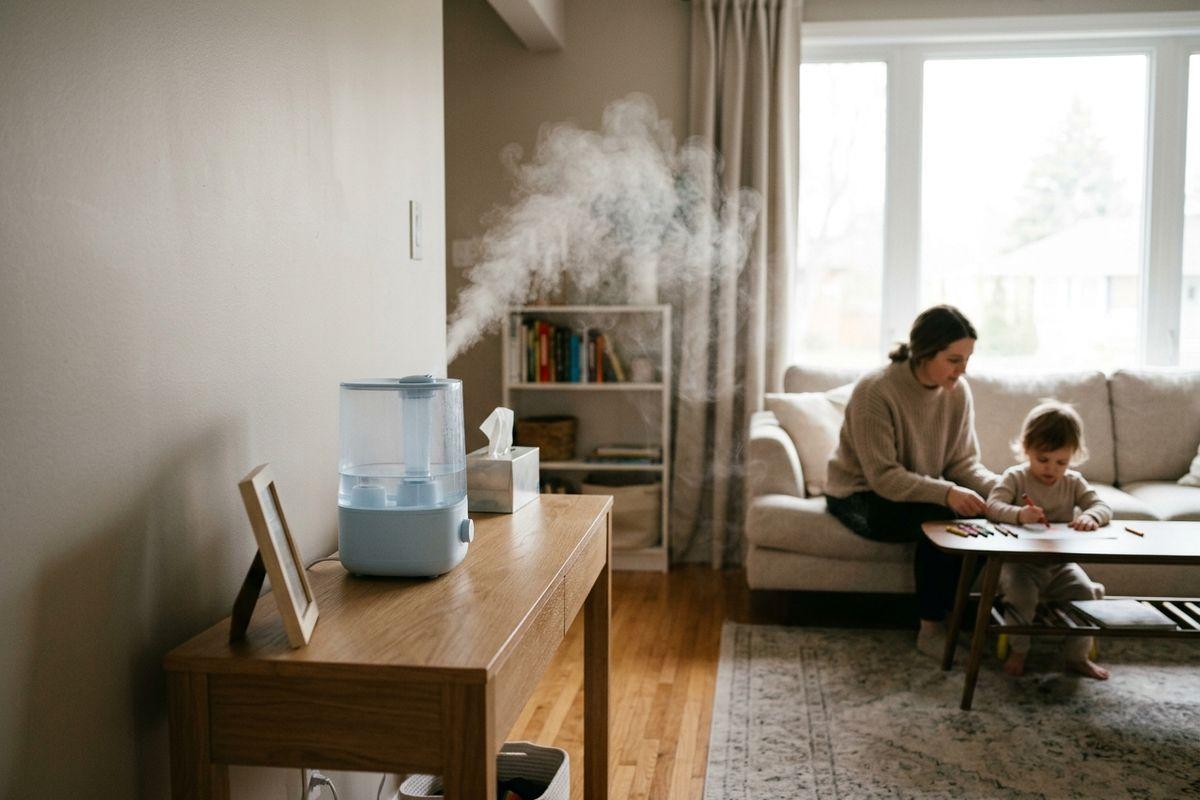
The air inside your home also plays a role in your comfort. Running a humidifier in a room where you spend a lot of time can add moisture back into dry indoor air. Remember to clean your humidifier regularly with simple soap and water to prevent mold growth.
Artificial Tears and Eye Drops
Over-the-counter drops offer quick comfort when your eyes feel scratchy or watery. Look for preservative-free artificial tears to add gentle moisture to your eyes. These drops are designed to mimic your natural tears and help bring you comfort.
Allergies might require a different approach for your daily eye care. Allergy eye drops can help calm the reaction to pollen or dust in the air, but skip drops that promise to reduce redness, as they often contain chemicals that worsen dryness over time.
When to Visit an Eye Doctor
For some people, home care doesn’t solve the problem completely. You might need to seek professional care when watery eyes disrupt your daily life or work. An eye doctor in Orangeville can help identify why your eyes produce excess tears, and provide you with personalized solutions for what to do next.
If your watery eyes are accompanied by significant pain, light sensitivity, vision changes, or discharge, seek prompt eye care.
Book Your Eye Exam
A personalized approach can help you find lasting comfort. At Headwaters Optometry, our eye doctor can examine your tear film and recommend targeted solutions for you. Schedule your visit today.